

Well pumps are essential for accessing groundwater sources, providing reliable water supply for residential and agricultural needs. However, like any mechanical system, they can experience issues over time. Understanding how to diagnose and repair common problems is crucial for homeowners relying on well pumps. In this comprehensive guide, we will explore various aspects of well pump repair, from identifying symptoms of malfunction to performing preventive maintenance. If you’re facing persistent issues, consider seeking professional help, such as the services found at well pump repair https://plumbingserviceslondon.ca/well-pump-repair-installers.
Understanding Well Pumps
Before diving into repair specifics, it’s important to understand how well pumps function. Well pumps are divided into two main types: submersible pumps and jet pumps. Submersible pumps are located underwater in the well and push water to the surface, while jet pumps are situated above ground and create a vacuum to draw water from the well. Each type has its unique components, but both require regular maintenance and can experience similar issues.
Common Well Pump Problems
Identifying the symptoms of a malfunctioning well pump is the first step in the repair process. Here are some of the most common issues:
- No Water Production: If your well pump is not producing water, it could be due to electrical issues, a burned-out motor, or a clogged intake. Begin by checking the power supply and circuit breakers.
- Intermittent Water Supply: If water flow is inconsistent, this could indicate a pressure switch problem, air leaks, or a worn-out pump. Listen for unusual noises coming from the pump, as they can provide clues to the issue.
- Pumping Air: If your taps are producing air instead of water, it usually signifies that the water level in the well has dropped below the pump intake. This situation requires further investigation and may necessitate lowering the pump or deepening the well.
- Low Water Pressure: Low water pressure can result from a faulty pressure switch, clogged filters, or a well running dry. Inspecting the pressure tank and ensuring it is properly set is essential.
- Strange Noises: Unusual sounds, such as grinding or vibrating, can indicate mechanical problems within the pump itself. This could be due to a failing motor or worn bearings that need replacement.
Steps for Diagnosing Well Pump Issues
If you suspect that your well pump is malfunctioning, follow these steps to diagnose the problem:
- Check the Power Supply: Ensure that the power is supplied to the pump. Inspect circuit breakers and wiring for any signs of damage.
- Inspect the Pressure Switch: A faulty pressure switch can prevent the pump from turning on or off correctly. Test it for continuity and replace it if necessary.
- Examine the Pump and Motor: Look for visible signs of wear or corrosion. Listen for unusual sounds that could indicate mechanical failure.
- Assess the Well Level: Check the water level in the well. If it’s low, consider contacting a professional to assess the situation.
- Look for Clogs or Obstructions: Inspect the intake screen for debris or sediment that may block water flow.
DIY Well Pump Repairs
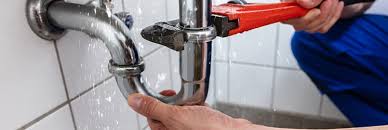
For minor issues, homeowners may undertake DIY repairs. Here are a few common repair tasks:
- Replacing the Pressure Switch: This is typically a straightforward task. Simply disconnect the power, remove the old switch, and connect the new one according to manufacturer instructions.
- Clearing Clogs: If it’s safe to do so, remove the intake screen and clean it of any debris. This can often restore proper water flow.
- Re-wiring Connections: If you notice frayed or damaged wires, carefully replace them, ensuring proper insulation and connections.
Always remember to turn off power before attempting any repairs, and consult the user manual for specific guidance on your pump model.
When to Call a Professional
While some repairs can be handled independently, certain situations warrant calling in an expert:
- Deep Well Pump Issues: If your pump is located deep underground, accessing it safely may be challenging without professional tools and expertise.
- Electrical Problems: Issues involving electrical systems can be dangerous. If you suspect electrical failure, contact a licensed electrician or a well pump specialist.
- Persistent Water Quality Issues: If you notice constant contamination or discoloration of your water supply, it’s best to have an expert conduct water testing and quality assessments.
Preventive Maintenance Tips
To prolong the lifespan of your well pump and minimize repair needs, engage in regular maintenance practices:
- Regularly Inspect Components: Check connections, valves, and wiring for any signs of wear or damage.
- Test Water Quality: Conduct periodic water testing to identify any contamination issues early on.
- Ensure Proper Water Levels: Monitor groundwater levels, especially during dry seasons, to ensure your well remains productive.
- Schedule Annual Professional Inspections: Having a professional assess your well and pump system can help identify potential issues before they become major problems.
Conclusion
Maintaining and repairing your well pump is critical for ensuring a dependable water supply. By becoming familiar with common problems, performing regular maintenance, and knowing when to consult a professional, you can effectively manage your well pump system. Awareness and education are key to avoiding costly repairs and ensuring that your home remains supplied with quality water.